





What is Custom 3D Orthotics?
Custom orthotics are medical devices worn inside shoes to correct biomechanical problems, redistribute pressure, and support the foot in a more optimal position. Unlike generic insoles, custom orthotics are designed specifically for your feet and your condition.
What makes Lower Limb Clinic unique is that our orthotics are manufactured in-house by our sister company Réalta Labs, a dedicated orthotic manufacturing facility using SLS 3D printing technology and Fit360 CAD software. This means we control every aspect of the process, from assessment to production, ensuring sub-millimetre precision and faster turnaround than practices that outsource manufacturing.
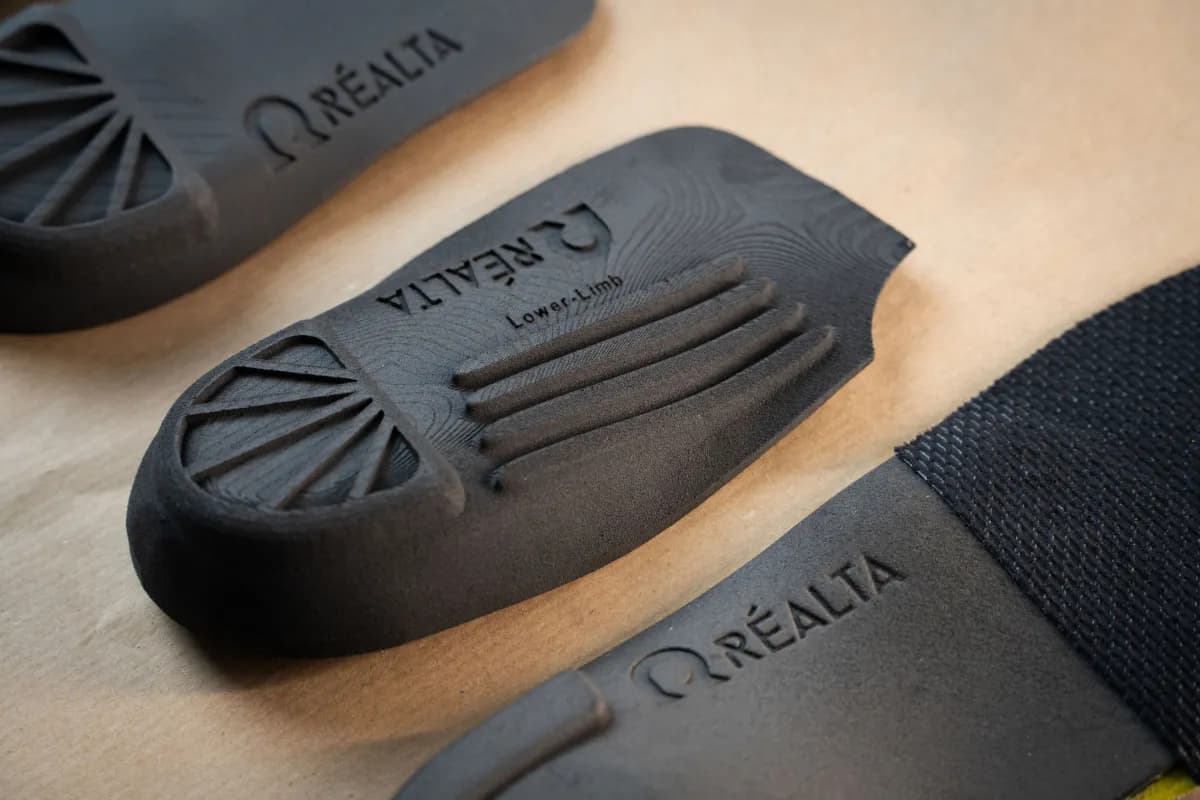
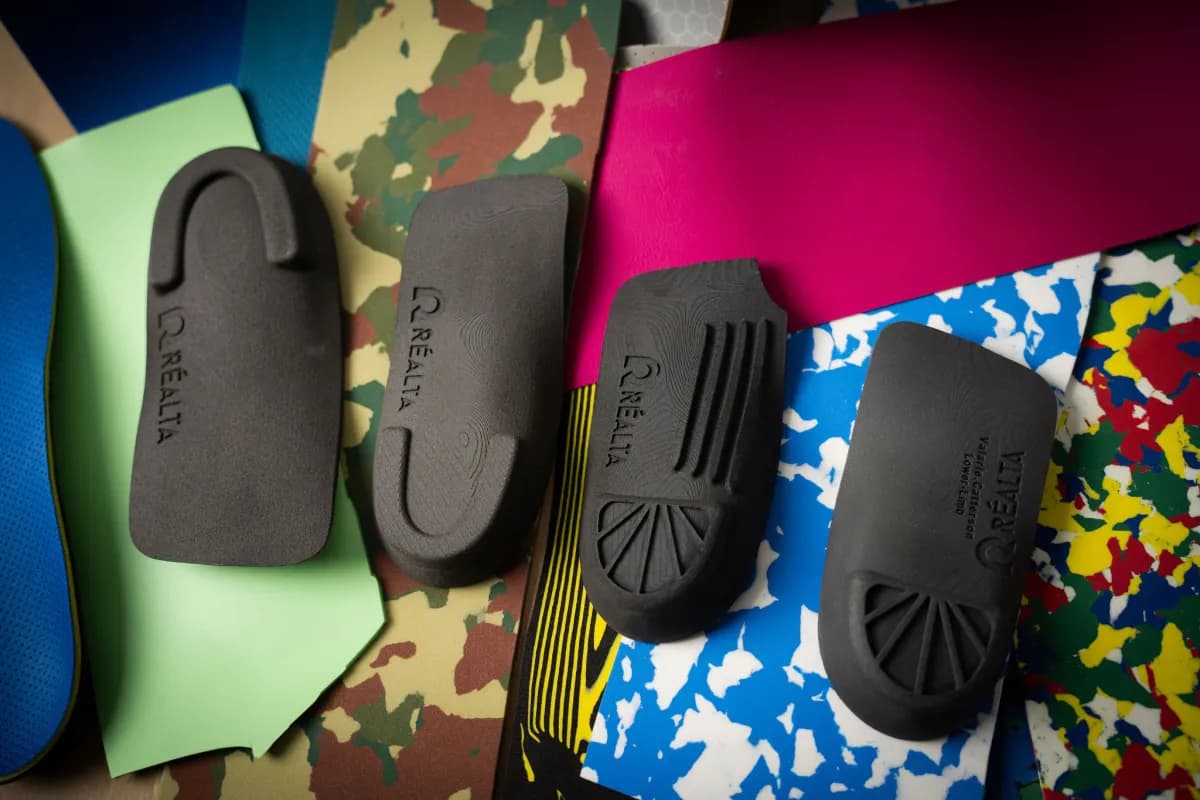
Our 3D-printed orthotics offer precision that traditional methods can't match, with lattice structures that can be customised for different stiffness zones and optimal pressure distribution. Every device comes with a 5-year shell warranty.
Orthotics for Plantar Fasciitis: How They Fit in the Treatment Plan
If you've found this page after weeks or months of heel pain, you've probably already tried generic insoles, gel inserts, and shop-bought arch supports. For some people they help a little. For most people with plantar fasciitis they don't, because they're not addressing what's actually gone wrong inside your foot. To understand why a custom orthotic works differently, it helps to understand a piece of biomechanics called the windlass mechanism.
The windlass mechanism, explained
The plantar fascia is a thick band of tissue that runs from your heel to the base of your toes. Picture it like the bowstring of a longbow, with the arch of your foot as the bow.
Every time you take a step, as you push off the ground, your big toe bends upwards. That toe extension tightens the plantar fascia (the bowstring), which in turn lifts and stiffens the arch (the bow). This is the windlass mechanism, named after a winch that winds rope. It turns your foot from a soft, flexible structure that absorbs impact when you land into a rigid lever that propels you forward when you push off.
When the windlass works well, the load on your plantar fascia is shared and dissipated smoothly through your foot. When it doesn't, because of tight calves, weak intrinsic foot muscles, excessive pronation, high rigid arches, or years of accumulated stress, the fascia gets repetitively overloaded at its insertion on the heel bone. That's where plantar fasciitis starts.
What a custom orthotic actually does
A well-prescribed custom orthotic isn't a passive "support" in the way a shop-bought insole is. It's a biomechanical correction tool. For plantar fasciitis specifically, the orthotic does three things:
- Reduces peak tension on the fascia. By supporting your arch in the precise position your foot needs (not a generic curve), the orthotic shares the load that would otherwise concentrate at the fascia's attachment to your heel.
- Cushions and offloads the heel. A cushion under the heel pad reduces the impact your fascia attachment site has to absorb with every step you take.
- Helps the windlass function properly. In some prescriptions we include a first-ray cutout or a forefoot wedge that allows your big toe to extend cleanly through push-off, which is essential for the windlass to do its job.
Where orthotics fit in the treatment plan
Orthotics on their own rarely cure plantar fasciitis. They're powerful when they're part of a structured plan. Here's how we think about them across the recovery timeline:
Short term (0–6 weeks): pain relief and offloading
Right after diagnosis, the priority is to stop the tissue being repeatedly aggravated so healing can start. Orthotics + activity modification + (often) shockwave therapy form the immediate plan. Most patients feel meaningful pain reduction within 2–4 weeks of orthotic fitting combined with the rest of the protocol.
Medium term (6–12 weeks): protected healing and progressive loading
As pain settles, the work shifts to rebuilding the foot's capacity. We add calf and intrinsic foot strengthening, ankle mobility work, and progressive return-to-activity. The orthotic still protects the healing tissue while we load the system back up, but it's no longer doing all the work.
Long term (3–12+ months): your call
Long-term outcomes vary, and that's fine. Some patients reach a point where their foot is strong enough, mobile enough and well-loaded enough that they only need their orthotics for higher-load situations: long runs, all-day standing at work, long walks, walking holidays. Others choose to wear theirs every day even after the pain has long gone, simply because they feel better with the support. Both are perfectly valid outcomes. Once you're pain-free, the choice of how often to wear them is yours.
Optimising your gait, not just supporting your foot
The bigger picture is that an orthotic is one tool inside a structured biomechanical plan. We don't prescribe orthotics in isolation. After your pressure plate gait analysis and diagnostic ultrasound, the question we answer for you is: what does your specific foot need to function properly through the gait cycle, and which combination of tools (orthotics, strengthening, footwear, activity modification, shockwave, occasionally injection therapy) gets you back to pain-free movement fastest and keeps you there?
If a custom orthotic is part of that plan, we explain exactly why, what it's correcting, and how long you should expect to need it. If it isn't, we'll tell you that too, and we'll point you at what will actually help instead.
Common Symptoms
- Foot, ankle, knee, or hip pain
- Flat feet or high arches
- Pain when walking or standing
- Recurring injuries during sport
- Uneven shoe wear
- Foot fatigue and discomfort
Common Causes
- Plantar fasciitis
- Overpronation or supination
- Metatarsalgia (forefoot pain)
- Achilles tendinopathy
- Knee and hip pain from poor alignment
- Sports overuse injuries
Our Treatment Approach
Our orthotic prescription process begins with a comprehensive biomechanical assessment to understand how your feet function during walking and running. We don't just take a foot impression. We analyse your entire lower limb.
3D Scanning: We capture precise measurements of your feet using advanced 3D scanning technology, creating a digital model accurate to fractions of a millimetre.
Custom Design: Your orthotics are designed using Fit360 CAD software, allowing us to specify exactly where support, cushioning, or correction is needed. We can create variable density zones impossible with traditional methods.
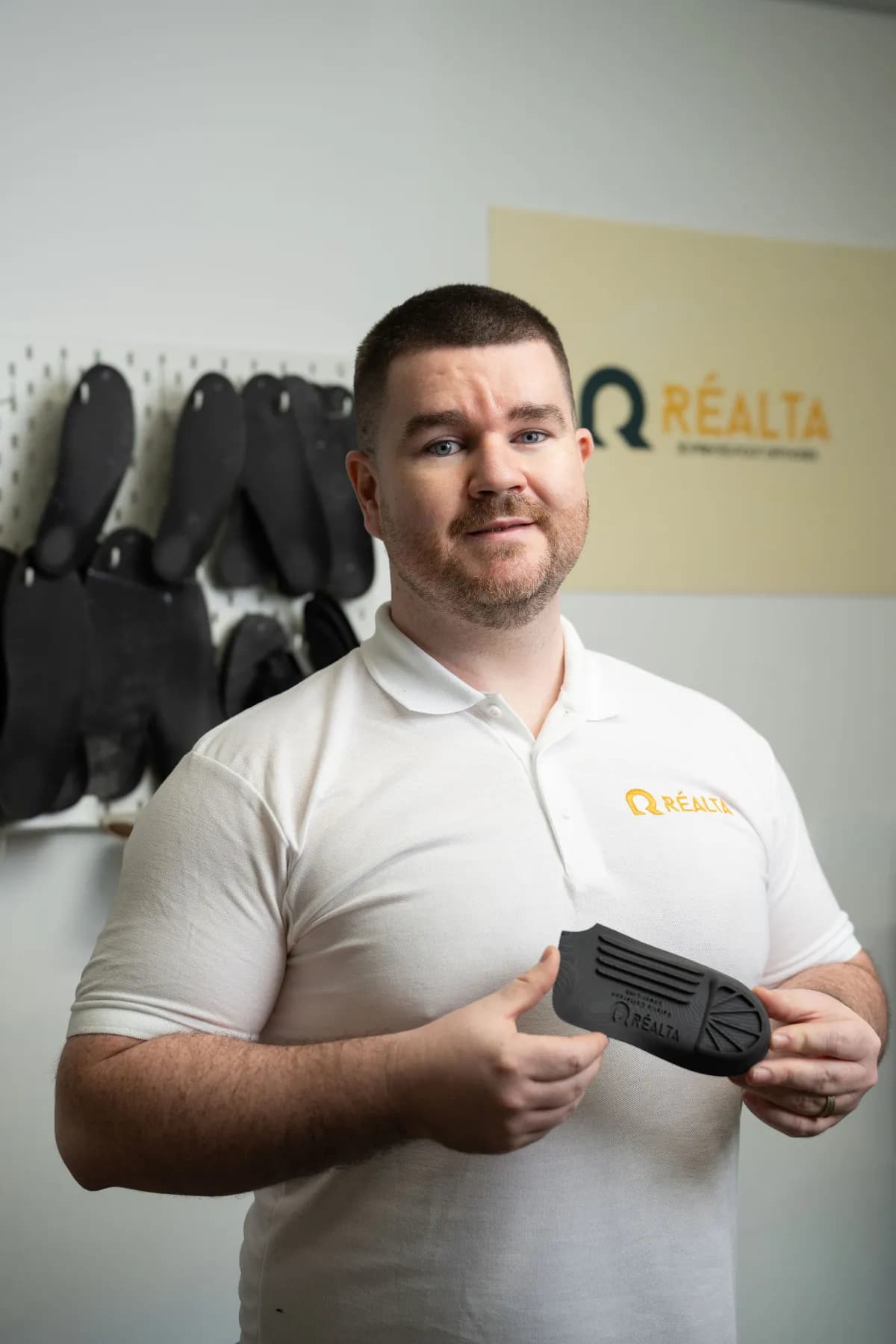
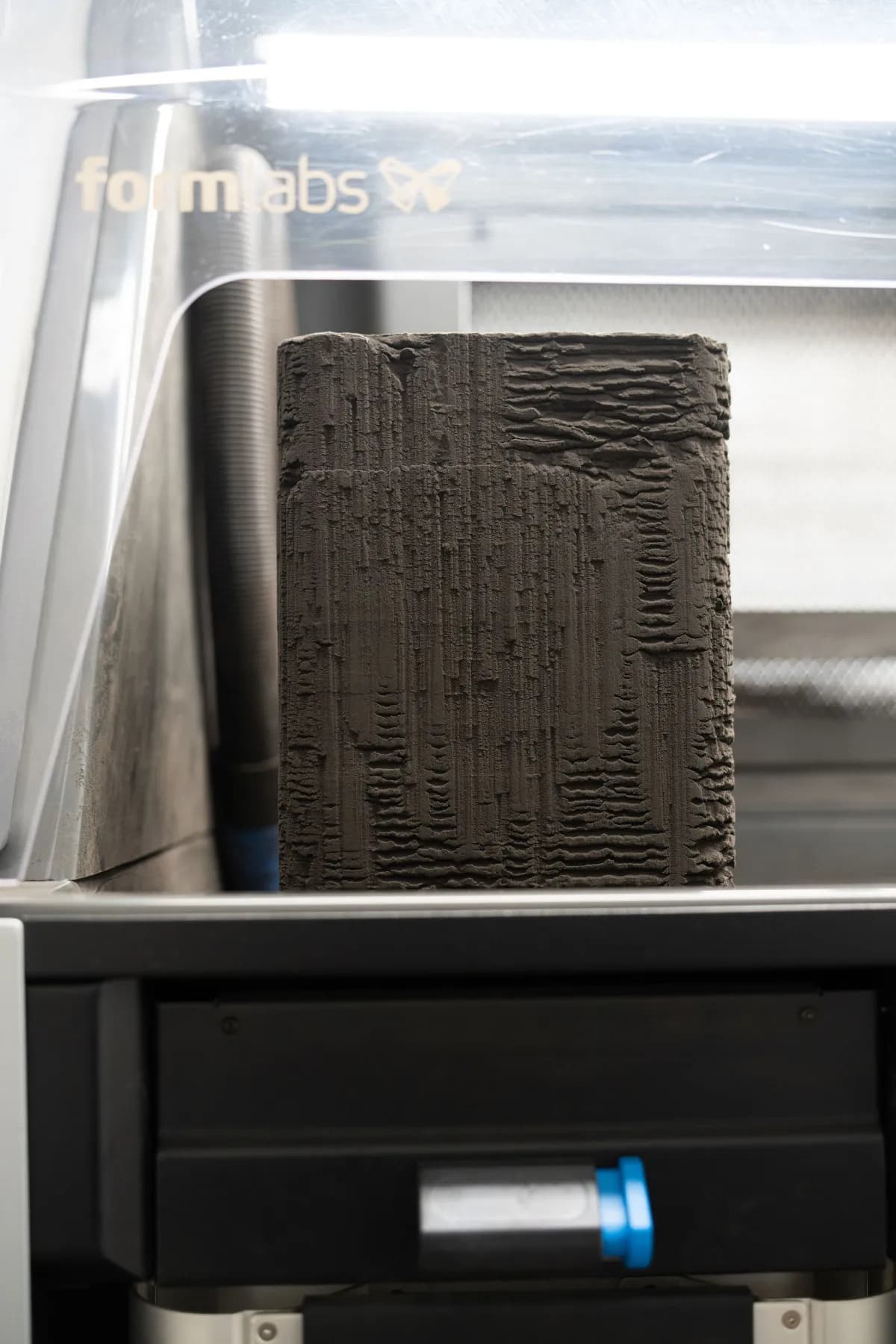
SLS 3D Printing: Manufactured in-house at Réalta Labs using Selective Laser Sintering (SLS) technology with medical-grade nylon. The result is a lightweight, durable, and precisely engineered orthotic that matches your prescription exactly.

Manufactured by Réalta Labs
Our sister company specialising in SLS 3D-printed foot orthoses
What to Expect
Biomechanical Assessment
3D Foot Scanning
Orthotic Design in Fit360 CAD
SLS 3D Printing at Réalta Labs
Fitting & Review
Ready to book your custom 3d orthotics appointment?
"Been several times and today was no different! 5 star service! My little girl gets anxious but Paul made her feel at ease from the beginning. My daughter is an Irish dancer and Paul always ensures she gets 5 start treatment. Helped her feel at ease and took care of everything! Went over and above as always! Highly recommended"
Paul Mc Cann
Treated for: Children's Podiatry · Google review
Frequently Asked Questions
Common questions about Custom 3D Orthotics at Lower Limb Clinic.
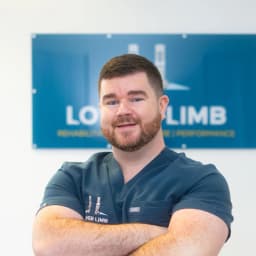
Clinically reviewed by Paul McMullan, BSc(Hons) MSc FRCPSGlasg MRCPod
BSc (Hons) Podiatry · MSc Podiatric Sports Medicine (QMUL) · FRCPSGlasg · MRCPod
Lead Podiatrist & Clinical Director, Lower Limb Clinic Belfast